How and when should I use LED Bar Lights?
Because of the low profile design and IP65 rating, KIND LED Bar Lights can be used in a number of ways, including vertical setups and in between rows of plants for lighting areas of your grow that before had gone unlit.
The KIND LED Bar Lights are split into two main spectral categories, Vegetative and Flowering. There are then two sub-categories within each of the Vegetative and Flowering lights. These are the Macro Spectrum and Micro Spectrum.
The ‘Macro’ Spectrum offers the primary spectrum needed for Vegetative or Flowering growth. The Macro Spectrum is comprised of the major blue and red bandwidths that are readily absorbed by plants and are the major building blocks for photosynthesis.
The ‘Micro’ Spectrum offers the more secondary spectrum needed for Vegetative or Flowering growth. The Micro spectrum is comprised of the bandwidths that are absorbed by the plants in lesser amounts like the oranges, greens, yellows, IR, and UV.
What is the recommend Bar Light hanging height?
KIND LED recommends keeping a distance of 12" between your Bar Light and the top of your canopy. At a 12” hanging height, the usable light will extend out from the edges of the bar light by 3” to 6” inches, so spacing between the lights would be 6” to 12” apart. This type of spacing would work for all primary lighting applications that deal with average light use plants such as leafy greens. If you will be using your bar lights as supplemental lighting, the spacing would be determined on several factors such as lighting density already present, position of lighting in relation to plants, and overall amount of light required by the plants.
Will any LED light work as a grow light?
LED Lights and Plant Growth: Will Any LED Light Work as a Grow Light?
Not all LED lights are suitable as grow lights for plants. While many LED lights can emit light in a spectrum that plants can use for photosynthesis, there are specific factors to consider when choosing an LED light for growing plants:
Light Spectrum: Plants require specific wavelengths of light for optimal growth. Blue light (around 400-500 nm) is important for vegetative growth, while red light (around 600-700 nm) is crucial for flowering and fruiting. Some LED lights are designed with a balanced spectrum that caters to both stages.
Full Spectrum vs. Red/Blue Only: There's debate about whether a full spectrum LED light (including green and other colors) is better than only red and blue LED lights. Some argue that a full spectrum light better mimics natural sunlight, which can lead to more natural growth patterns.
Intensity: The intensity of light (measured in PAR, Photosynthetically Active Radiation) is important. Different plants have different light intensity requirements at different stages of growth. Too little light may result in leggy, elongated growth, while too much light can damage plants.
PAR Output: Photosynthetically Active Radiation (PAR) is the range of light wavelengths plants use for photosynthesis. Please look for LED grow lights that provide high PAR output in the appropriate spectrum for your plants.
Light Distribution: The light should be evenly distributed over the plant canopy to ensure all parts of the plant receive sufficient light for photosynthesis. Some LED lights have lenses or reflectors to achieve this.
UV and IR Light: Some LED grow lights include ultraviolet (UV) and infrared (IR) light spectrums. While not always necessary, these can benefit plant growth, including increased resin production and stress tolerance.
Energy Efficiency: Look for LED lights with high energy efficiency and low heat output. Traditional light sources like incandescent bulbs generate a lot of heat, which can damage plants if they're placed too close.
Adjustability: Some advanced LED grow lights allow you to adjust the light spectrum and intensity, which can benefit different plant growth stages.
Size and Coverage Area: Consider the size of your growing area. Different LED lights have varying coverage areas. Please make sure the light can adequately cover the space where your plants are growing.
Cooling and Heat Dissipation: LED lights can still generate heat, so the light must have proper cooling mechanisms to prevent overheating.
Light Duration and Photoperiod: Different plants have specific light duration requirements. Some plants need longer periods of light exposure, while others require periods of darkness. Make sure your chosen LED light can be easily controlled to match your plants' photoperiod needs.
Plant Type: Different plants have different light requirements. Some plants might need more blue light, while others might need more red light. Could you research the specific needs of the plants you're growing?
Avoiding Common Mistakes: Choosing the Right LED Grow Light for Your Plants
Let's list a few more important topics to consider when selecting an LED grow light for your plants:
Dimming and Control Features: Some LED grow lights come with dimming and programmable control features. This can be useful for adjusting light intensity as plants progress through different growth stages.
CRI (Color Rendering Index): While CRI is more relevant for human lighting needs, a higher CRI in LED grow lights might indicate a better balance of light wavelengths, which can be beneficial for plant growth.
Heat Management: Adequate heat dissipation is crucial for preventing damage to the LED light itself and ensuring a comfortable environment for plant growth. Look for lights with good heat sinks and ventilation.
Daisy-Chaining and Expandability: Some LED grow lights offer the ability to daisy-chain multiple lights together. This can be helpful if you have a larger growing area and need to cover it with multiple lights.
Energy Consumption: Energy-efficient LED lights can help you save on electricity costs over time. Look for lights with high efficiency ratings.
Light Uniformity: Uniform light distribution across the entire coverage area is important to avoid creating areas of overexposure or underexposure.
Noise Level: Some LED grow lights come with built-in fans for cooling, which can create noise. Consider the noise level if your growing space requires a quieter environment.
Durability and Longevity: LED grow lights with solid construction and quality components are likely to have a longer lifespan. Look for lights that are built to withstand the rigors of indoor gardening.
Remote Control and Automation: Advanced LED grow lights may offer remote control or automation features, allowing you to adjust settings and schedules without direct physical access.
Budget Allocation: If you have a limited budget, consider prioritizing the most crucial aspects for your specific growing goals, such as light spectrum and intensity.
Compatibility with Growing Medium: Different growing mediums (soil, hydroponics, aeroponics) can impact how plants respond to light. Ensure that the LED grow light you choose aligns well with your chosen growing method.
EMI Interference: Some lower-quality LED lights might emit electromagnetic interference (EMI) that can interfere with other electronic devices. High-quality lights should have proper shielding to prevent this issue.
Grow Tent Compatibility: If you're using a grow tent, consider the height and dimensions of the tent when selecting an LED grow light. Make sure the light can be adjusted to the appropriate height for your plants.
Light Hanging Options: Some LED grow lights come with various hanging options, such as adjustable cables or hooks, to make installation and positioning easier.
Safety Certifications: Look for LED grow lights that have undergone safety certifications and comply with relevant electrical standards to ensure your safety and that of your plants.
Warranty and Support: A reputable LED grow light manufacturer will often offer warranties on their products. Make sure to understand the terms of the warranty and the availability of customer support.
Remember that successful indoor gardening involves a combination of factors beyond just the LED grow light, including proper nutrition, watering, ventilation, and monitoring. Take a holistic approach to create an optimal environment for your plants' growth and health.
What is the best LED light to grow with?
Choosing the Perfect LED Light for Optimal Plant Growth: What is the Best LED Light to Grow With?
In indoor gardening, LED lights have emerged as a revolutionary tool for providing the necessary light spectrum to support plant growth. Whether you're a seasoned horticulturist or a beginner with a green thumb, selecting the right LED light is crucial to ensure your plants flourish.
In this article, we'll explore the key factors to consider when choosing the best LED light to foster healthy and vibrant plant growth.
Understanding the Importance of Light Spectrum:
Plants require light to perform photosynthesis, the process through which they convert light energy into essential nutrients. LED lights, with their customizable light spectra, allow you to tailor the lighting conditions to mimic natural sunlight. The two primary light spectra important for plant growth are:
Blue Light: Blue light with wavelengths around 400-500 nanometers is crucial for promoting vegetative growth, helping plants develop strong leaves and stems.
Red Light: Red light with wavelengths around 600-700 nanometers is essential for flowering and fruiting stages, as it stimulates the production of chlorophyll and other pigments necessary for energy conversion.
Factors to Consider When Choosing an LED Light:
Light Spectrum Customization: Opt for LED lights that offer adjustable spectrum settings. This feature allows you to fine-tune the light according to the specific growth stage of your plants.
Wattage and Intensity: The wattage and intensity of the LED light should be suitable for the size of your growing area. Different plants have varying light requirements, so ensure the light can adequately cover your plants.
PAR (Photosynthetically Active Radiation): This measures the amount of light usable by plants for photosynthesis. Choose an LED light with a high PAR output to ensure your plants receive sufficient energy for optimal growth.
Energy Efficiency: LED lights are renowned for their energy efficiency. Look for lights with high efficacy ratings, as they will help you save on electricity bills in the long run.
Cooling Mechanisms: LED lights can emit heat, which could potentially damage your plants. Lights with built-in cooling mechanisms, such as fans or heat sinks, will maintain a suitable temperature for plant growth.
Durability and Lifespan: LEDs have a longer lifespan compared to traditional lighting options. Investing in a durable light will ensure consistent performance throughout your plants' growth cycles.
Brand Reputation and Reviews: Research reputable brands known for producing quality LED grow lights. Reading user reviews and testimonials can provide valuable insights into the performance and longevity of the light.
Top Contender for the Best LED Grow Lights:
Kind LED is a prominent name in the world of indoor gardening, known for its commitment to innovation and sustainable horticulture practices. The brand specializes in designing and manufacturing high-quality LED grow lights that provide plants with the light spectrum they need for thriving growth.
The Science Behind Kind LED Lights:
One of the key factors that sets Kind LED lights apart is their advanced spectrum optimization. These lights are engineered to deliver a full spectrum of light that closely resembles natural sunlight. This includes a balanced blend of blue and red wavelengths, crucial for vegetative growth and flowering stages, respectively. The Kind LED spectrum is meticulously designed to mimic the sun's light, enhancing photosynthesis and ensuring robust plant development.
Customization and Versatility:
Kind LED grow lights offer growers the flexibility to adjust the light spectrum and intensity according to the specific needs of their plants. This adaptability is particularly valuable as plants progress through different growth phases. With Kind LED lights, you can fine-tune the lighting conditions to support optimal photosynthesis, resulting in healthier and more productive plants.
Energy Efficiency and Cost Savings:
One of the standout features of Kind LED lights is their energy efficiency. LED technology is inherently energy-saving, and Kind takes this a step further with thoughtful engineering and design. These lights consume significantly less electricity compared to traditional lighting options while providing higher light intensity. This translates to reduced energy bills and a smaller carbon footprint for environmentally-conscious growers.
Precision Cooling System:
To ensure consistent performance and prevent heat-related stress on plants, Kind LED lights are equipped with an efficient cooling system. This system dissipates excess heat, maintaining an ideal temperature for plant growth. The cooling mechanism contributes to the longevity of the LED lights and provides a comfortable environment for plants to thrive.
Trusted Reputation and User Satisfaction:
Kind LED has built a strong reputation over the years, backed by positive user reviews and testimonials. Growers around the world have reported impressive results with Kind LED lights, attesting to the brand's commitment to quality and performance.
When it comes to the best LED grow lights, Kind LED shines brightly as a frontrunner. Their dedication to spectrum optimization, customization, energy efficiency, and plant-focused design sets them apart in the competitive world of indoor gardening.
Whether you're nurturing delicate herbs or cultivating weed, Kind LED grow lights offer a reliable and advanced solution that paves the way for successful and rewarding cultivation.
Are LED grow lights better than sunlight?
LED vs. Sun: Are LED Grow Lights Better Than Sunlight?
In recent years, advancements in technology have revolutionized the way we approach various aspects of life, including agriculture. LED (Light Emitting Diode) grow lights have emerged as an innovative solution for indoor plant cultivation, challenging the traditional dependence on natural sunlight.
This article delves into the question of whether LED grow lights are better than sunlight for plant growth, considering factors such as efficiency, control, and overall effectiveness.
Comparing LED Grow Lights and Sunlight for Plant Growth
Understanding LED Grow Lights
LED grow lights are designed to emit specific wavelengths of light that are optimal for plant photosynthesis and growth. Unlike traditional incandescent or fluorescent bulbs, LED lights are highly energy-efficient and can be tailored to provide the exact spectrum of light that plants need. This spectrum can be adjusted to cater to different stages of plant growth, from seedling to flowering, which allows for precise control over the cultivation process.
Advantages of LED Grow Lights
Energy Efficiency: LED grow lights are renowned for their energy efficiency, as they produce little heat and convert a significant portion of energy into usable light. This efficiency not only reduces electricity costs but also minimizes the risk of heat stress on plants.
Customized Light Spectrum: One of the standout features of LED grow lights is the ability to fine-tune the light spectrum. This customization ensures that plants receive the ideal combination of blue and red light, crucial for various growth stages.
Longevity: LED grow lights have a longer lifespan compared to traditional lighting options, which means less frequent replacements and reduced maintenance costs in the long run.
Space and Versatility: LED grow lights are particularly useful for indoor cultivation, where natural sunlight might be limited. They can be installed in compact spaces, making them suitable for urban gardening or commercial greenhouses.
Reduced Environmental Impact: LED grow lights generate less heat and require fewer resources than traditional lighting methods, contributing to a smaller carbon footprint.
The Power of Sunlight
Natural Balance: Sunlight provides a complete and balanced spectrum of light that plants have evolved to thrive under. It not only fuels photosynthesis but also influences various physiological processes, including plant orientation and flowering.
UV Benefits: Sunlight contains ultraviolet (UV) rays, which can positively impact plant growth and development by promoting the production of certain secondary metabolites, such as antioxidants.
Free and Abundant: Sunlight is readily available and cost-free, making it an appealing choice for outdoor gardening and sustainable agriculture.
Comparing the Two
While both LED grow lights and sunlight have their unique advantages, the choice between them depends on the specific circumstances of cultivation:
Control and Precision: LED grow lights provide unparalleled control over the light spectrum, allowing for optimized growth conditions. This makes them highly suitable for controlled indoor environments, where specific plant requirements must be met.
Natural Balance: Sunlight remains superior in terms of its natural balance of wavelengths. It fosters holistic plant development and is indispensable for outdoor gardens.
Energy Efficiency: LED grow lights clearly excel in energy efficiency, making them more suitable for resource-conscious setups.
Space and Accessibility: LED grow lights offer the flexibility to grow plants in limited spaces, while sunlight remains the go-to option for outdoor spaces with ample access to natural light.
Impact on Plant Growth: Further Considerations
Photosynthetic Efficiency: While LED grow lights can mimic specific wavelengths important for photosynthesis, natural sunlight provides a broader spectrum that can activate various pigments and enhance overall photosynthetic efficiency. This can result in more robust and vigorous plant growth under sunlight.
Heat Management: LED grow lights generate significantly less heat than traditional lighting sources, which can be advantageous in preventing heat stress and damage to plants. However, natural sunlight's warmth can also have benefits, such as promoting root growth and maintaining optimal temperatures in outdoor gardens.
Plant Responses: Sunlight plays a pivotal role in regulating plant behaviors beyond photosynthesis. Photoreceptors in plants respond to various wavelengths of light, influencing processes like phototropism (plant growth towards light) and circadian rhythms. While LED grow lights can provide specific light spectrums for targeted responses, sunlight offers a more dynamic range of stimuli.
Seasonal Changes: Sunlight changes in intensity and duration with the seasons, affecting plant growth cycles and dormancy. LED grow lights can provide consistent light year-round, which can be particularly advantageous for maintaining growth in controlled environments during off-seasons.
Case-Specific Examples
Indoor Cultivation: LED grow lights shine in indoor environments where sunlight might be limited or inconsistent. They allow for year-round cultivation, providing precise light conditions for optimal growth and overcoming challenges associated with indoor gardening.
Greenhouse Cultivation: Greenhouses combine the advantages of both LED grow lights and sunlight. Supplementing natural light with LED grow lights can extend the growing season, boost productivity, and help cultivate plants that require specific light conditions.
Urban Agriculture: LED grow lights are transforming urban agriculture by enabling vertical farming and rooftop gardens. In spaces with limited access to sunlight, these lights offer a viable solution for producing fresh produce in densely populated areas.
The Future of Plant Cultivation
The debate over whether LED grow lights are better than sunlight for plant growth is nuanced and depends on multiple factors. Both light sources have advantages and limitations, and the choice between them should be guided by the specific requirements of the cultivation environment and the grower's goals.
In a world with evolving climate patterns and increasing urbanization, LED grow lights offer a powerful tool to address food security and resource conservation challenges. At the same time, sunlight remains a fundamental force driving life on Earth, nurturing ecosystems and contributing to the health of both plants and humans.
As technology advances, so does our understanding of plant biology and the intricacies of light's role in growth. The future of plant cultivation likely involves a combination of LED grow lights and sunlight, maximizing the benefits of both approaches. Research into optimizing light spectra, improving energy efficiency, and understanding plant responses to different wavelengths will shape the evolution of cultivation practices.
Furthermore, sustainable practices, including renewable energy sources to power LED grow lights, efficient water management, and responsible waste disposal, will significantly shape the agricultural landscape.
Ultimately, the success of plant cultivation, whether using LED grow lights, natural sunlight, or a combination of both, lies in our ability to adapt and innovate while respecting the natural processes that sustain life on our planet.
What type of light is best for growing plants indoors?
Illuminating Growth: What Type of Light is Best for Growing Plants Indoors?
In recent years, the trend of indoor gardening has surged in popularity, with more people looking to bring the beauty of nature into their homes. Whether you have a green thumb or are just starting your indoor gardening journey, one of the key factors for successful plant growth is providing the right type of light. But with many options available, how do you determine the best light for your indoor plants?
This article will delve into the various types of light and their effects on plant growth, helping you make an informed decision for your indoor garden.
Choosing the Right Light for Thriving Indoor Plants: A Comprehensive Guide
The Importance of Light for Indoor Plants
Light is a fundamental element of photosynthesis, the process through which plants convert light into chemical energy to fuel their growth. While natural sunlight is the gold standard for plant growth, indoor environments often lack the intensity and duration of sunlight required for optimal growth. This is where artificial lighting comes into play, allowing you to give your plants the light they need to flourish.
Understanding Different Types of Light
Incandescent Lights: These traditional household bulbs emit a warm, yellow light unsuited for plant growth. They are inefficient and produce much heat, potentially harming plants if placed too close.
Fluorescent Lights: Fluorescent tubes are a popular choice for indoor gardening due to their affordability and availability. They come in different spectrums, with cool white and daylight bulbs being most suitable for plant growth. However, they may need to provide more light intensity for certain light-hungry plants.
Compact Fluorescent Lights (CFLs): CFL bulbs are a more energy-efficient than traditional incandescent bulbs. They come in various spectrums and can be a good choice for small indoor plant setups.
LED Lights: Light Emitting Diodes (LEDs) have gained significant popularity in recent years due to their versatility and efficiency. They come in a wide range of spectra and can be tailored to match the specific needs of different plants during various growth stages. LED lights also produce less heat, reducing the risk of heat damage to plants.
Full Spectrum Lights: These lights are designed to mimic natural sunlight and provide a balanced spectrum of light, which is crucial for supporting the overall growth of plants. They are particularly effective for plants that require a high light intensity.
Matching Light to Plant Needs
Different plants have varying light requirements. Here's a general guideline:
Low-Light Plants: If plants thrive in low-light conditions, such as snake plants or ZZ plants, fluorescent or LED lights with lower intensity can suffice.
Medium-Light Plants: Many common houseplants, like pothos and spider plants, fall into this category. They benefit from moderate light levels provided by fluorescent or LED lights.
High-Light Plants: Tropical plants like orchids, succulents, and fruiting and flowering plants demand higher light intensities. LED lights with a spectrum rich in blue and red wavelengths are excellent choices.
Considerations for Indoor Gardeners
Light Duration: Most indoor plants require around 12 to 16 hours of light per day. Could you consider using timers to ensure consistent light exposure?
Light Placement: Adjust the height and distance of your light source according to the plant's light requirements. Avoid placing lights too close, as they can scorch the leaves.
Light Spectrum: Different growth stages require different light spectrums. Blue light encourages vegetative growth, while red light supports flowering and fruiting.
Energy Efficiency: LED lights are generally the most energy-efficient option, consuming less electricity while providing adequate light intensity.
Setting Up Your Indoor Garden: Fine-Tuning Light for Plant Success
Optimizing Light Intensity
While selecting the right type of light is essential, ensuring the correct light intensity is equally crucial. The intensity of light is measured in foot-candles or lux. Different plants have different light intensity requirements:
Low-Light Plants: These plants can thrive with around 50 to 250 foot-candles (500 to 2,500 lux). This corresponds to the lower end of light intensity levels and can often be achieved with ambient indoor lighting.
Medium-Light Plants: Plants in this category typically need 250 to 1000 foot-candles (2,500 to 10,000 lux). Fluorescent lights or LED panels with moderate intensity can cater to these plants' needs.
High-Light Plants: Plants that fall into this category require 1000 to 3000 foot-candles (10,000 to 30,000 lux) or even more. To meet these demands, high-quality LED grow lights are recommended.
Adjusting Light Duration
Just as important as the light intensity is the duration of light exposure. Most indoor plants require a photoperiod (light exposure time) of 12 to 16 hours per day. However, some plants, like certain cacti and succulents, benefit from shorter photoperiods, closer to 8 to 10 hours. To avoid disrupting the plant's natural rhythm, try to maintain consistent light schedules.
Adapting Light Spectrum
The color spectrum of light plays a significant role in plant growth. Plants use different wavelengths of light for various physiological processes. Here's a breakdown of the key colors and their effects:
Blue Light (400-500 nm): Blue light is essential for promoting vegetative growth, helping plants develop sturdy stems and lush foliage. It's crucial for the early stages of plant growth.
Red Light (600-700 nm): Red light is responsible for triggering flowering and fruiting in plants. It's particularly important during the reproductive stages of growth.
Full Spectrum: Some LED grow lights offer a full spectrum that includes blue, red, and other wavelengths. These lights provide a balanced spectrum similar to natural sunlight, supporting overall plant health and growth.
Managing Light and Plant Health
While providing the right light is essential, it's also crucial to monitor your plants for signs of stress. Too much or too little light can cause issues such as:
Light Burn: Excessive light exposure can lead to light burn, where the leaves develop brown or white patches. Adjust the light height or intensity if you notice these signs.
Leggy Growth: Insufficient light can result in leggy or elongated growth as plants stretch towards the light source. Increase light intensity or duration to prevent this.
Leaf Discoloration: Incorrect light spectrum can cause unusual leaf colors. For example, a lack of blue light might lead to yellowing leaves.
Nurturing Your Indoor Oasis
Selecting the ideal light source for your indoor plants is an art that requires a balance between light type, intensity, duration, and spectrum.
Remember that the needs of your plants might evolve as they grow, so be prepared to adjust the lighting setup accordingly. By immersing yourself in the science of light and its effects on plant growth, you'll be better equipped to create a lush, vibrant indoor garden that thrives year-round.
With the right light guiding their journey, your plants will transform your living spaces into delightful oases of greenery and tranquility.
What color LED grow light is best?
Choosing the Right Color for Your LED Grow Light: What color LED grow light is best?
In the world of indoor gardening, LED grow lights have revolutionized the way plants receive light for growth. These efficient and customizable lights emit specific colors of light that cater to the diverse needs of plants at various stages of their development. One crucial aspect that often puzzles growers is the choice of LED light color.
This article will delve into the science behind different LED grow light colors and help you determine which one is best for your plants.
The Spectrum of Growth
Plants are masterful in converting light energy into chemical energy through photosynthesis. However, not all light wavelengths are created equal when promoting plant growth. The visible light spectrum spans from blue to red wavelengths, and different colors play distinct roles in the growth process.
Blue Light (400-500 nm): Blue light is crucial during the vegetative stage of plant growth. It promotes strong root development, compact foliage, and overall sturdy plant structure. This wavelength also helps in regulating the plant's photoreceptors, leading to efficient photosynthesis.
Red Light (600-700 nm): Red light is essential during plant growth's flowering and fruiting stages. It plays a key role in stimulating flowering hormones and enhancing flower and fruit production. Red light encourages elongation in stems and is responsible for yield's overall size and quality.
Full-Spectrum Light: Full-spectrum LED grow lights attempt to mimic natural sunlight by providing a balanced combination of blue, red, and other wavelengths. This type of light is suitable for plants throughout their entire lifecycle, from germination to harvest. While it might not be as specialized as using separate blue and red lights, it offers convenience and versatility.
Plant-Specific Considerations
While blue and red lights cover the fundamental growth phases of plants, some specific scenarios call for tailored light treatments:
Green Plants: A balanced mix of blue and red light is ideal if you're growing plants with green foliage, such as herbs and leafy greens. This combination ensures both vigorous growth and healthy, vibrant leaves.
Flowering Plants: A higher proportion of red light during the flowering stage will lead to better yields for plants that predominantly flower or bear fruit. It's essential to adjust the light settings as your plants transition from vegetative to flowering phases.
Seedlings and Cuttings: During the early stages of plant life, a higher intensity of blue light encourages strong root development and compact growth, which is especially beneficial for seedlings and cuttings.
The Role of Intensity
Besides choosing the right color spectrum, light intensity also plays a crucial role in plant growth. Light intensity is measured in terms of photosynthetic photon flux density (PPFD), which indicates the number of photons reaching a specific area per unit of time. Different plants have different PPFD requirements at various stages of growth. Ensure you're providing the appropriate light intensity to avoid issues like light burn or stunted growth.
Optimizing Growth: Beyond Colors - Factors to Consider When Choosing LED Grow Lights
It's crucial to delve deeper into the other factors contributing to successful cultivation. We'll explore additional considerations to help you choose the best LED grow light for your plants, if you don't mind.
Light Intensity and Coverage
We discussed the significance of, but ensuring that your chosen LED grow light can provide adequate coverage for your growing space is very important light intensity. The distance between the light source and your plants significantly impacts the intensity they receive. Many manufacturers provide recommended hanging distances for their lights to achieve optimal light distribution. Be sure to follow these guidelines to prevent issues like light burn or insufficient light penetration in the lower canopy.
Energy Efficiency
LED grow lights are known for their energy efficiency compared to traditional lighting systems. This reduces energy bills and contributes to a more sustainable approach to indoor gardening. Look for lights with high efficiency ratings and low heat output, as excess heat can negatively affect plant health and require additional cooling systems.
Light Customization
Advanced LED grow lights often come with features that allow you to customize the light spectrum and intensity. This level of control enables you to fine-tune the lighting conditions based on your specific plant types and growth stages. Lights with adjustable spectrums and dimming options provide flexibility, giving you the ability to mimic natural sunlight variations.
Durability and Longevity
Investing in a high-quality LED grow light ensures longevity and consistent performance. Look for lights with robust construction, efficient heat dissipation mechanisms, and reputable brand names that offer warranties. A reliable light source will provide consistent results and save you from the hassle of frequent replacements.
Cooling Systems
Heat management is a critical aspect of LED grow lights. Some lights incorporate built-in cooling systems like fans or heatsinks to regulate the temperature and maintain optimal performance. Adequate cooling prevents overheating and ensures the light's and plants' longevity.
Light Uniformity
Uniform light distribution across your plant canopy is essential to promote balanced growth. Uneven light can result in uneven growth, with some parts of your plants receiving more light than others. High-quality LED grow lights are designed to minimize hotspots and ensure consistent illumination throughout your growing area.
Budget Considerations
LED grow lights come in a wide range of prices, from budget-friendly options to more premium choices. While opting for the most affordable option is tempting, remember that quality and performance often correlate with price. Finding a balance between your budget and the features you need is crucial to achieving successful and sustainable cultivation.
Cultivating Success: Navigating the LED Grow Light Maze
In our ongoing exploration of LED grow lights, we've covered the significance of color spectrum, additional factors to consider, and now, let's dive deeper into some advanced aspects that can elevate your indoor gardening game.
Smart Lighting Systems
Welcome to the era of smart LED grow lights! These cutting-edge systems offer a level of automation and control that was once unimaginable. With smartphone apps or integrated control panels, you can adjust light intensity, spectrum, and even set timers remotely. This level of precision allows you to create tailored lighting schedules that align with your plants' natural growth patterns.
Light Recipes
Gone are the days of "one-size-fits-all" lighting solutions. LED grow light manufacturers are now crafting light recipes based on extensive research. These recipes prescribe specific combinations of colors and intensities optimized for different plant species and growth stages. By selecting a light with pre-programmed recipes, you're essentially handing your plants a personalized growth plan.
UV and IR Light
Beyond the visible light spectrum, ultraviolet (UV) and infrared (IR) wavelengths have also shown potential benefits for plant growth. UV light, in moderation, can stimulate the production of secondary metabolites that enhance flavor, aroma, and nutritional content in certain plants. IR light can contribute to improved photosynthesis efficiency. Some advanced LED grow lights incorporate these wavelengths to provide a more comprehensive light spectrum.
Quantum Efficiency
Quantum efficiency measures how efficiently plants convert light energy into chemical energy through photosynthesis. While this concept may sound intricate, it essentially quantifies how much bang you're getting for your photon buck. LED grow light manufacturers are now focusing on enhancing quantum efficiency, leading to more productive and efficient plant growth.
Interlighting
For larger growing setups, interlighting is a technique that involves placing lights between rows or within the plant canopy. This method boosts light distribution to lower leaves and promotes more uniform growth. Interlighting can be especially useful for high-density cultivation scenarios where maximizing light penetration is essential.
Choosing the best LED grow light goes beyond simply picking a color. Today's indoor gardeners have access to a plethora of advanced features and technologies that can enhance plant growth, improve efficiency, and lead to more bountiful harvests. Whether you opt for smart lighting systems, light recipes, UV/IR supplementation, or interlighting, each choice contributes to creating an optimal environment for your plants to thrive.
Staying up-to-date with the latest research in LED grow light technology can provide valuable insights into the best practices for your indoor garden. As scientific understanding deepens, new techniques and lighting strategies emerge that can significantly impact plant growth and yield.
How far should LED grow lights be from plants?
Finding the Perfect Balance: How Far Should LED Grow Lights Be from Plants?
As the popularity of indoor gardening continues to soar, LED grow lights have become an indispensable tool for cultivating healthy and vibrant plants. These energy-efficient lights provide the essential light spectrum plants need for photosynthesis, making it possible to grow a wide variety of crops, from herbs to vegetables and flowers, indoors. However, understanding the ideal distance between your LED grow lights and plants is crucial to ensure optimal growth and prevent potential damage.
In this article, we'll explore the factors that influence distance and provide guidelines to help you strike the perfect balance for your indoor garden.
The Science Behind LED Grow Lights
LED grow lights are designed to emit specific wavelengths of light that plants require for various stages of growth. The two most critical wavelengths are blue (400-500 nm) and red (600-700 nm). Blue light is essential for promoting vegetative growth, while red light is crucial for flowering and fruiting stages. Unlike traditional lighting sources, LED grow lights can be tailored to provide the exact spectrum your plants need, minimizing energy waste.
Factors Influencing the Ideal Distance
Several factors come into play when determining the optimal distance between LED grow lights and your plants:
Light Intensity: Light intensity decreases as you move away from the source. Plants that require high light levels, such as tomatoes or cannabis, should be positioned closer to the light source, while low-light plants like herbs can be placed farther away.
Plant Type and Growth Stage: Different plants have varying light requirements at different stages of growth. Young seedlings need less intense light than mature plants. Research the specific needs of your plants to adjust the light distance accordingly.
Wattage and Light Spectrum: LED grow lights come in different wattages and spectrums. Lights with higher wattages can provide more intense light but may need to be placed higher to avoid burning the plants. Similarly, lights with a balanced spectrum may allow for a closer distance, whereas lights with a more focused spectrum might require a greater distance.
Light Angle and Coverage: Consider the angle at which the light is emitted and its coverage area. Some LED grow lights have a narrower beam angle, requiring precise positioning to cover your entire plant canopy evenly.
Guidelines for LED Grow Light Distance
While the specific requirements will vary depending on the factors mentioned above, here are some general guidelines to help you get started:
Seedlings and Cuttings: Position LED grow lights 24 to 36 inches (60-90 cm) above young seedlings and cuttings to prevent excessive stretching and ensure healthy growth.
Vegetative Stage: During the vegetative growth phase, place the lights around 18 to 24 inches (45-60 cm) from the plant canopy to encourage sturdy growth.
Flowering and Fruiting Stage: As plants enter the flowering and fruiting stage, move the lights closer, within 12 to 18 inches (30-45 cm), to provide the intense light they need for optimal bud and fruit development.
Monitor and Adjust: Regularly monitor your plants for signs of stress, such as leaves curling or turning yellow, which could indicate that the lights are too close. If this happens, raise the lights slightly and observe how the plants respond.
Choosing the Right LED Grow Light
Selecting the appropriate LED grow light for your indoor garden is crucial in achieving successful cultivation. With a wide variety of options available, it's important to consider factors beyond just distance:
Full-Spectrum vs. Dual-Spectrum: Full-spectrum LED lights mimic natural sunlight and are suitable for all stages of plant growth. Dual-spectrum lights focus on blue and red wavelengths, making them more efficient for specific growth phases. Depending on your plants and growth goals, choose the one that suits you best.
PAR (Photosynthetically Active Radiation): PAR measures the light wavelengths that plants can utilize for photosynthesis. When selecting an LED grow light, look for its PAR rating to ensure it delivers the necessary light intensity for healthy growth.
Cooling and Heat Dissipation: LED grow lights can produce heat, which could potentially damage your plants. Opt for lights with effective heat dissipation systems, such as heat sinks or built-in fans, to prevent overheating.
Advanced Tips for Optimal LED Light Usage
Light Schedule: Mimic natural daylight by setting up a consistent light schedule. Most plants require around 12-16 hours of light per day for optimal growth, but this can vary based on the plant type and growth stage.
Light Height Adjustment: As your plants grow, adjust the light height to maintain the ideal distance. Gradually lower the lights as the plants mature to ensure they receive adequate light throughout their lifecycle.
Light Spacing: Consider spacing out your LED grow lights evenly for larger setups to ensure uniform light distribution across all plants. This prevents shaded areas where growth might be compromised.
Light Intensity Measurement: Use a light intensity meter (PAR meter) to measure the light your plants receive. This helps you fine-tune the distance and ensures that your plants get the right light.
Avoiding Common Mistakes
Light Burn: Placing LED grow lights too close to your plants can lead to light burn, where the intense light damages leaves and inhibits growth. Always monitor your plants for signs of stress and adjust the distance as needed.
Insufficient Light: On the other hand, keeping the lights too far from your plants can result in leggy growth and poor development. Research your plants' light requirements to ensure they receive the appropriate intensity.
Light Distance for Specific Plants
Leafy Greens: Plants like lettuce, spinach, and kale thrive with LED grow lights placed about 12 to 18 inches (30-45 cm) above the canopy. Their lower light intensity requirements make them well-suited for slightly higher distances.
Herbs: Culinary herbs like basil, mint, and parsley appreciate light from 12 to 18 inches (30-45 cm) away. Adjust the distance as your herbs grow to prevent them from becoming spindly.
Tomatoes and Peppers: These fruiting plants require higher light intensities. Place your LED grow lights around 12 to 24 inches (30-60 cm) above the plants during their flowering and fruiting stages.
Cannabis: Cannabis plants are light-hungry during their entire growth cycle. For optimal results, place the lights approximately 12 to 18 inches (30-45 cm) from the canopy during vegetative growth and around 8 to 12 inches (20-30 cm) during flowering.
DIY LED Grow Light Hanging Systems:
Crafting a flexible hanging system for your LED grow lights allows you to easily adjust the distance as your plants grow:
Adjustable Chains/Ropes: Many LED grow lights come with adjustable hanging mechanisms. Use chains or ropes to raise or lower the lights as needed.
Pulley Systems: Create a pulley system for convenient height adjustments. This setup allows you to raise and lower multiple lights simultaneously, maintaining an even canopy.
Custom Frames: Construct a frame above your plants to hold multiple LED grow lights at different heights. This is particularly useful for larger growing spaces.
Maintaining a Comfortable Environment
Temperature: LED grow lights emit less heat than traditional lighting, but monitoring the temperature around your plants is important. Ensure proper ventilation and airflow to prevent overheating.
Humidity: LED lights can affect humidity levels. Use a hygrometer to measure humidity and consider incorporating a humidifier if necessary.
Innovations in LED Grow Light Technology
Smart Controls: Some LED grow lights come with smart features, allowing you to control the light spectrum, intensity, and schedule remotely through a mobile app. This level of control can be beneficial for maximizing growth and energy efficiency.
Modular Designs: Modular LED grow lights let you customize the setup by adding or removing light panels as needed, providing flexibility for different plant types and growth stages.
Striking the Perfect Balance
Mastering the art of LED grow light placement is a journey that requires both knowledge and hands-on experience. By understanding the principles of the light spectrum, intensity, and plant growth stages, you can confidently adjust the distance between your LED grow lights and plants to achieve the best possible results. Remember that each plant type may have unique requirements, so be prepared to fine-tune your setup as you gain insights from your gardening adventures. With careful observation, experimentation, and patience, you'll find the sweet spot that nurtures your indoor garden into a thriving oasis of greenery.
Happy growing!
What is the best time of day to use a grow light?
Maximizing Growth: What is the Best Time of Day to Use a Grow Light?
In indoor gardening and horticulture, grow lights have revolutionized how we cultivate plants. These artificial light sources provide the energy necessary for photosynthesis, allowing plants to thrive in spaces devoid of natural sunlight. Yet, with the remarkable capabilities of modern grow lights comes a fundamental question: when is the best time to use them?
The Science Behind Photosynthesis
Before diving into the timing of grow light usage, it's essential to understand the core process: photosynthesis.
This intricate dance of light, carbon dioxide, and water produces glucose and oxygen, fueling a plant's growth. Light, specifically in the blue and red spectrums, serves as the driving force behind this mechanism.
Shining a Light on Growth: Finding the Best Time to Use Grow Lights
Morning Glory: Early Hours
Just as the sun rises to energize the world, plants benefit from an early start with grow lights. Morning is a critical time for photosynthesis, as plants have been resting at night and are primed to soak up the first rays of light. Mimicking the natural sunrise, you can turn on your grow lights early to kickstart your plant's metabolic processes. This approach is particularly beneficial for species that require a lot of light, like vegetables and flowering plants.
Afternoon Brilliance: Midday Surge
As the day progresses, the intensity of sunlight peaks during midday. Similarly, leveraging the power of grow lights during this period can lead to remarkable growth outcomes. Midday usage can be especially advantageous for plants with dense foliage or those in their flowering and fruiting stages. Keep in mind that while natural sunlight intensity might fluctuate, grow lights can maintain a consistent level of illumination, ensuring a stable environment for your plants.
Evening's Embrace: Late-Day Considerations
Just as a sunset provides a soothing transition into the evening, the right use of grow lights can help your plants ease into their rest period. Using grow lights in the late afternoon or early evening can extend the duration of light exposure, supporting plants that require longer photoperiods. However, avoid leaving the lights on too late, as plants also need their darkness to perform essential nocturnal processes.
Tailoring to Plant Needs
I'd like to point out that the ideal time of day for using grow lights varies depending on the specific needs of the plant species you're cultivating. Different plants have unique growth patterns, light requirements, and photoperiod preferences. For instance, leafy greens might benefit from a longer light exposure period, while some flowering plants might require a distinct balance between light and darkness to trigger blooming.
Implementing the Perfect Grow Light Schedule
Dawn of Growth: Early Morning (6:00 AM - 8:00 AM)
The early morning sun has a gentle quality that provides a nurturing start to the day. Similarly, turning on your grow lights during this time can simulate the gradual increase in natural light intensity. This approach especially benefits light-sensitive plants or those that thrive in low-light conditions. Seedlings and young plants, in particular, can greatly benefit from a soft and gradual transition into higher light levels.
Reaching for the Sun: Mid-Morning (9:00 AM - 11:00 AM)
Around mid-morning, the sun's rays become more intense, encouraging plants to stretch their leaves and bask in the energy-rich light. By mirroring this natural progression with your grow lights, you give your plants the necessary stimulus to promote sturdy growth and photosynthesis. For plants that require moderate to high light levels, mid-morning usage can be a pivotal period for their overall development.
Sunlit Peak: Noon (12:00 PM - 1:00 PM)
Noon signifies the zenith of solar energy, and by extension, a crucial time for grow light usage. This window aligns with the sun's highest point in the sky, casting few shadows and providing uniform light distribution. If possible, consider slightly increasing the intensity of your grow lights during this period to mimic the sun's brilliance. Plants in their flowering and fruiting stages can particularly benefit from this intense burst of light energy.
Gentle Descent: Late Afternoon (3:00 PM - 5:00 PM)
As the day begins its transition toward evening, the sun's intensity starts to wane, creating a milder lighting environment. By adjusting your grow lights to emit a softer spectrum during late afternoon, you're signaling to your plants that the day is drawing to a close. This can be especially advantageous for plants that thrive in more temperate conditions, allowing them to gradually prepare for their nocturnal routines.
Dimming into Night: Evening (7:00 PM - 9:00 PM)
Just as natural light fades into twilight, your grow lights can be gradually dimmed to signify the approaching night. While some plants require continuous light exposure, many benefit from a period of darkness for essential processes like respiration and growth hormone release. Tailor the evening light intensity based on the specific needs of your plants, striking a balance between nurturing and allowing them to rest.
The Art and Science of Adaptation
While a generalized grow light schedule provides a solid foundation, it's important to remember that flexibility is key. Each plant species possesses distinct requirements, and your environment may introduce variables that influence your strategy. Regularly monitor your plants' response to your chosen schedule and adjust as needed. Watch for signs of stress or overexposure, such as leaf discoloration or stunted growth.
Fine-Tuning Your Grow Light Schedule for Optimal Results
Experimentation and Adaptation
Creating the perfect grow light schedule is an ongoing process that requires observation, patience, and a willingness to adapt. As you embark on your indoor gardening journey, consider the following tips to fine-tune your schedule for optimal results:
Plant-Specific Considerations: Different plants have varying light requirements and growth patterns. Research the specific needs of each plant species you're cultivating and tailor your schedule accordingly. For example, succulents might thrive with more direct light exposure, while ferns may prefer filtered light.
Photoperiod Preferences: Some plants are naturally accustomed to specific photoperiods, meaning they have evolved to thrive with certain amounts of light and darkness. Consider mimicking these natural rhythms as closely as possible to promote healthy growth.
Observation and Adjustment: Regularly monitor your plants for signs of stress or growth patterns. If you notice elongated stems or pale leaves, it could be a sign that your plants are not receiving enough light. Conversely, if you see burnt or discolored foliage, they might be getting too much light.
Seasonal Variations: Just as outdoor plants respond to changing seasons, your indoor garden's light needs may vary throughout the year. Adjust your grow light schedule to reflect the changing length and intensity of natural sunlight.
Light Intensity and Spectrum: Grow lights come in different types, each with its own light spectrum and intensity. Be mindful of these factors and choose lights that align with your plants' requirements. LED grow lights, for instance, allow you to fine-tune the light spectrum to cater to various growth stages.
Gradual Transitions: When changing your grow light schedule, gradually adjust to prevent shocking your plants. Sudden light intensity or duration shifts can stress plants and impede their growth.
Automation and Technology
Modern technology has made managing your indoor garden's lighting needs easier than ever. Consider implementing automated systems that control your grow lights' timing, intensity, and spectrum. Timers, smart plugs, and programmable grow light systems can help you maintain a consistent and optimized schedule even when you're not around.
Balancing Energy Consumption
While providing optimal light conditions for your plants is crucial, it's also essential to consider energy efficiency. Balancing your grow light usage with your energy consumption is environmentally responsible and cost-effective. Timed usage and energy-efficient lighting options can help strike this balance.
A Symphony of Growth and Light
In the world of indoor gardening, the best time of day to use grow lights isn't just a matter of convenience; it's a symphony of growth orchestrated by light's profound impact on plants. By understanding the principles of photosynthesis, adapting to your plants' unique needs, and harnessing the power of technology, you can create a dynamic and effective grow light schedule that fosters lush, vibrant, and thriving plants.
As you navigate this journey, remember that the connection between you, your plants, and the play of light is a beautiful dance that yields healthy foliage and a deeper appreciation for the wonders of nature's intricate design.
Are full spectrum LED lights good for growing plants?
Unveiling the Brilliance: Are Full Spectrum LED Lights Good for Growing Plants?
The relationship between light and plant growth has fascinated scientists, gardeners, and enthusiasts for centuries. With the advent of technology, using artificial lighting systems for cultivating plants has gained significant attention. Among these, Full Spectrum LED (Light Emitting Diode) lights have emerged as a powerful contender in the quest for optimal plant growth.
From Sun to Socket: Exploring Full Spectrum LED Lights for Plant Growth
Before we dive into their effects on plants, let's unravel the concept of full spectrum LED lights. Unlike traditional lighting sources, such as incandescent or fluorescent bulbs, full spectrum LED lights are designed to emit a balanced spectrum of light that closely mimics natural sunlight. Sunlight comprises a wide range of wavelengths, from the cool blues to the warm reds and the various shades in between. Full spectrum LED lights attempt to replicate this intricate balance, providing plants with the complete spectrum of light they need for photosynthesis.
The Role of Light in Plant Growth
Plants utilize light primarily for photosynthesis – the process of converting light into chemical energy to fuel their growth. Different wavelengths of light play distinct roles in various stages of a plant's life cycle. Blue light, for instance, is crucial for vegetative growth, as it stimulates strong root and foliage development. On the other hand, red light is essential for flowering and fruiting, promoting robust blossoms and productive yields.
Advantages of Full Spectrum LED Lights
Energy Efficiency: Full spectrum LED lights are renowned for their energy efficiency. They consume considerably less energy than traditional lighting systems, translating into reduced electricity bills and a smaller carbon footprint.
Customizable Spectrum: Some full spectrum LED lights allow growers to adjust the light spectrum to suit specific plant requirements. This flexibility enables cultivators to optimize the lighting for different growth stages.
Heat Management: Compared to traditional lighting options, full spectrum LED lights emit minimal heat. This heat reduction is beneficial as it minimizes the risk of burning plant foliage, allowing the lights to be placed closer to the plants.
Longevity: LED lights have a longer lifespan compared to traditional bulbs, reducing the need for frequent replacements and maintenance.
Considerations and Potential Drawbacks
Initial Cost: Full spectrum LED lights can have a higher upfront cost than traditional lighting systems. However, their long-term energy savings and durability can offset this cost.
Quality Matters: Not all LED lights labeled as "full spectrum" are created equal. Choosing high-quality lights from reputable manufacturers is essential to ensure that plants receive the appropriate light spectrum.
Light Intensity: While LED lights are efficient, it's important to ensure that the intensity of the light is adequate for the specific plants being grown. Too little or too much light can still impact plant health.
Cultivating Success: Tips for Using Full Spectrum LED Lights in Plant Growth
Now that we've explored the science and benefits of full spectrum LED lights for plant growth let's delve deeper into how to make the most of this cutting-edge technology to nurture thriving plants.
Choose the Right Spectrum
While full spectrum LED lights are designed to mimic natural sunlight, not all plants have the same light requirements. Some plants thrive with more blue light during their vegetative phase, while others flourish with increased red light for flowering. Understand the needs of your specific plants and adjust the light spectrum accordingly using lights that offer customizable settings.
Pay Attention to Light Intensity
Light intensity, often measured in lux or foot-candles, is crucial for plant health. Different plants have varying light intensity requirements at different stages of growth. Make sure to position your LED lights at the appropriate distance from the plants to provide the right light without causing stress or burn.
Consider Light Duration
Just as the duration of sunlight changes with the seasons, the amount of light your plants receive should also vary. Most plants require a certain amount of darkness for proper growth and rest. Research the recommended light duration for your specific plants and adjust the lighting schedule accordingly.
Maintain Proper Distance
LED lights emit significantly less heat than traditional lighting sources but can still generate warmth. Be mindful of the distance between the LED lights and your plants to prevent overheating or leaf burn. Adjust the light height to maintain an optimal distance as your plants grow.
Monitor Plant Response
Plants communicate their well-being through their appearance. Regularly observe the growth, color, and health of your plants. If you notice signs of stretching, yellowing leaves, or poor growth, it might indicate that the light intensity or spectrum needs adjustment.
Invest in Quality
Quality matters when it comes to LED lights. Invest in high-quality LED lights from reputable manufacturers to ensure that your plants receive the full benefits of a true full spectrum. Cheap or low-quality lights may not deliver the full range of wavelengths required for optimal plant growth.
Start Small
If you're new to using LED lights for plant growth, start with a small number of plants and gradually expand your setup as you gain experience. This approach allows you to fine-tune your lighting techniques and understand the specific needs of your plants.
Supplement Natural Light
Even if you're growing plants indoors, natural light can still play a role. Consider combining natural sunlight with full spectrum LED lights for the best results. This approach can enhance the quality of light your plants receive and provide them with a more dynamic spectrum.
Optimizing Plant Growth: Advanced Strategies with Full Spectrum LED Lights
As you continue to explore the world of full spectrum LED lights for plant growth, you'll find that there are several advanced strategies that can take your gardening endeavors to the next level. These strategies involve harnessing the power of technology, science, and creativity to create an optimal environment for your plants.
Implement Light Spectrogram Analysis
Advanced horticulturalists and researchers often use light spectrogram analysis to precisely determine the light spectrum needs of specific plant species. This involves studying the absorption and action spectra of chlorophyll and other plant pigments to fine-tune the light spectrum provided by LED lights. By tailoring the spectrum to match these absorption peaks, you can potentially achieve even more efficient photosynthesis and growth.
Incorporate Light Recipes
Some full spectrum LED lights come with pre-programmed "light recipes" that automatically adjust the light spectrum and intensity at different stages of plant growth. These recipes are based on scientific research and can provide an optimized lighting schedule for various growth phases, from seedling to flowering. Experiment with different recipes to discover which ones yield the best results for your plants.
Embrace Vertical Farming
Vertical farming is an innovative approach involving growing plants in stacked layers, often hydroponics or aeroponics. Full spectrum LED lights play a pivotal role in vertical farming by providing consistent and even lighting to all plant levels. This technique maximizes space and allows for year-round production, making it an attractive option for urban agriculture and areas with limited arable land.
Simulate Sunrise and Sunset
Just as natural sunlight changes in intensity and color temperature throughout the day, you can simulate these changes using LED lights. Gradually increasing the light intensity in the morning and decreasing it in the evening can help mimic the natural rhythm of the sun. This benefits plant growth and promotes more natural circadian rhythms, potentially enhancing overall plant health.
Combine LED Lights with Other Techniques
Enhance the effectiveness of full spectrum LED lights by combining them with other growth-promoting techniques. For instance, you can integrate LED lighting with CO2 supplementation, nutrient-rich hydroponic systems, and controlled environmental conditions to create a harmonious growth environment that accelerates plant development.
Use Light Meters and Sensors
Light meters and sensors can provide real-time data on light intensity and other environmental factors. By utilizing these tools, you can monitor and adjust your LED lights more precisely, ensuring that your plants receive the optimal amount of light for their growth stage. Some advanced systems even allow for remote monitoring and adjustment, giving you greater control over your indoor garden.
Study Plant Responses to Different Spectra
Stay curious and conduct your own experiments to study how different light spectra affect the growth and development of your plants. By observing how plants respond to specific wavelengths, you can uncover unique insights that contribute to more effective lighting strategies.
How Full Spectrum LED Lights Revolutionize Plant Cultivation
In the world of modern plant cultivation, full spectrum LED lights have emerged as a remarkable tool for indoor gardening and horticulture. Their ability to replicate the diverse wavelengths of natural sunlight provides plants with the necessary energy to flourish. With their energy efficiency, longevity, and customizable spectrum, full spectrum LED lights offer a compelling alternative to traditional lighting systems. However, their initial cost and the need for careful selection should not be overlooked.
As technology continues to advance, it's likely that full spectrum LED lights will continue to evolve, becoming even more efficient and tailored to the diverse needs of various plant species. Whether you're a seasoned horticulturist or a novice plant enthusiast, exploring the world of full spectrum LED lights can open up new avenues for successful and rewarding plant growth year-round.
Does full spectrum LED grow light have UV?
A Rainbow of Growth: Does full spectrum LED grow light have UV?
In recent years, indoor gardening technology advancements have revolutionized how we grow plants. One significant innovation is the development of full spectrum LED grow lights, designed to mimic the sun's natural light and promote optimal plant growth. Among the many questions surrounding these lights, one frequently asked is whether full spectrum LED grow lights include ultraviolet (UV) light.
Navigating the UV Spectrum: Unveiling the Impact of UV Light in Full Spectrum LED Grow Lights
Before we delve into the UV component, let's first understand what full spectrum LED grow lights are. These lights are engineered to emit a wide range of light wavelengths covering the entire spectrum, from ultraviolet to infrared. The goal is to replicate natural sunlight, which contains all these wavelengths and is essential for photosynthesis – the process by which plants convert light energy into chemical energy to fuel their growth.
Different Wavelengths and Plant Growth
Different wavelengths of light play distinct roles in plant growth. For instance, blue light (wavelengths around 400-500 nm) is crucial for vegetative growth, promoting strong stems and lush foliage. Red light (wavelengths around 600-700 nm) stimulates flowering and fruiting. Green light (wavelengths around 500-600 nm) is not as efficiently absorbed by plants, but it still plays a role in overall growth.
The Role of UV Light in Plant Growth
UV light is part of the electromagnetic spectrum and is present in sunlight. While some types of UV light can be harmful to living organisms, moderate exposure to specific UV wavelengths can have beneficial effects on plant growth. UV light can stimulate the production of secondary metabolites, which enhance a plant's resistance to pests, diseases, and environmental stressors. These metabolites can also contribute to certain crops' flavor, aroma, and nutritional content.
UV Light in Full Spectrum LED Grow Lights
Including UV light in full spectrum LED grow lights can vary depending on the manufacturer and the specific model. Some manufacturers include a small amount of UV light in their LED systems to simulate natural sunlight more accurately and potentially boost plant resilience and certain secondary metabolites. However, not all full spectrum LED grow lights have UV components.
It's essential to note that not all plants require UV light for optimal growth. While some plants, like cannabis and certain herbs, might benefit from UV exposure, many indoor plants can thrive without it. If you're considering using full spectrum LED grow lights with UV for your plants, research the specific light requirements of your chosen plant species.
Exploring UV Light in Full Spectrum LED Grow Lights: Benefits and Considerations
Benefits of UV Light in Indoor Plant Cultivation
Enhanced Secondary Metabolite Production: As mentioned earlier, moderate exposure to UV light can stimulate the production of secondary metabolites in plants. These compounds, which include flavonoids, terpenes, and antioxidants, contribute to the plant's defense mechanisms against pests, diseases, and environmental stressors. Additionally, some secondary metabolites can improve crops' taste, aroma, and overall quality, making them more appealing to consumers.
Increased Nutritional Value: Studies have shown that exposure to UV light can lead to higher levels of certain nutrients in plants. For instance, some leafy greens and herbs may develop higher concentrations of vitamins and antioxidants when exposed to controlled amounts of UV light. This benefits consumers and adds value to the crops being grown.
Improved Plant Morphology: Controlled UV exposure can lead to changes in plant morphology, such as altered leaf size, thickness, and color. These changes can be particularly advantageous for ornamental plants, as they can result in unique and visually appealing growth patterns.
Potential Pest and Disease Management: UV light has been known to deter certain pests and pathogens, acting as a natural pest control method. By incorporating UV light into your indoor garden setup, you might reduce the need for chemical pesticides and create a more eco-friendly growing environment.
Considerations When Using UV Light
Plant Sensitivity: Not all plants respond positively to UV light. Some plant species are more sensitive to UV exposure and might experience damage or reduced growth if exposed to excessive UV radiation. Researching the UV requirements of the specific plants you are cultivating is crucial and adjusting the UV intensity accordingly is crucial.
UV Intensity and Duration: While controlled UV exposure can be beneficial, excessive UV radiation can harm plants and lead to sunburn-like symptoms. Make sure to choose a full spectrum LED grow light that provides UV light within safe limits and consider using timers to regulate the duration of UV exposure.
Human Safety: Just as plants can be affected by UV exposure, so can humans. High levels of UV radiation can be harmful to human skin and eyes. If your grow light emits UV light, take precautions to prevent unnecessary human exposure. Ensure the light fixture is properly shielded and positioned to minimize risk.
Regulations and Guidelines: Depending on your location, there might be regulations and guidelines governing UV light use in indoor gardening setups. Familiarize yourself with these regulations to ensure compliance and safety.
Precision UV Exposure in Indoor Gardening
Modern LED technology allows for precise control over the wavelengths and intensities of light emitted by grow lights. When incorporating UV light into your indoor gardening setup, it's essential to consider the specific needs of your plants and the desired outcomes. Here are some factors to keep in mind:
Plant Varieties: Different plant species respond differently to UV exposure. Research the UV requirements of the plants you're growing to determine whether UVA or UVB light would be more beneficial.
Light Duration: The duration of UV exposure matters. In nature, plants are exposed to fluctuating levels of UV light throughout the day. Mimic this natural rhythm by programming your grow light to emit UV light during specific periods.
Growth Stage: Just like other types of light, the impact of UV light can vary depending on the growth stage of your plants. Tailor your UV exposure based on whether your plants are vegetative or flowering.
UV Intensity: Carefully monitor the intensity of UV light your plants receive. Too much UV exposure can lead to stress or damage, while too little might not yield the desired benefits.
Balanced Spectrum: While UV light can be beneficial, it's just one piece of the puzzle. Ensure that your full spectrum LED grow light provides a balanced distribution of light wavelengths for optimal plant growth.
Understanding UV's Magic in Full Spectrum LED Grow Lights
Including UV light in full spectrum LED grow lights is an exciting development in indoor gardening technology. However, the interaction between plants and UV light is complex and can vary based on numerous factors. Ongoing research and experimentation are essential to fully understand the effects of UV light on different plant species and to refine the best practices for its use in indoor gardening.
As technology advances and our knowledge deepens, we expect to see more tailored lighting solutions considering the intricate relationship between plants and light. Whether you're a seasoned indoor gardener or just starting your horticultural journey, exploring the potential benefits of UV light in conjunction with full spectrum LED grow lights can open up new avenues for cultivating healthy, vibrant, and thriving plants.
Is full spectrum light the same as LED?
Illuminating the Differences: Is Full Spectrum Light the Same as LED?
In the world of lighting technology, the options available today can be overwhelming. Among the myriad choices, "full spectrum light" and "LED" are frequently encountered. While they both contribute to enhancing our living and working environments, they are not the same.
Brightening Up Your Space: Exploring Full Spectrum Light and LEDs
Full spectrum light refers to light that encompasses a broad range of wavelengths, simulating natural sunlight. Sunlight itself is a perfect example of full spectrum light, containing all the colors of the visible spectrum as well as portions of the ultraviolet and infrared spectrums. Full spectrum light sources aim to replicate this natural balance of wavelengths to create an environment resembling natural daylight.
Decoding LEDs (Light-Emitting Diodes)
LEDs, or Light-Emitting Diodes, are semiconductors that emit light when an electrical current passes through them. LEDs have revolutionized lighting with their energy efficiency, long lifespan, and versatility. Unlike traditional incandescent bulbs that generate light through heat, LEDs emit light directly as electrons move within the semiconductor material. The color of LED light is determined by the material used, allowing for a wide range of colors to be produced.
Key Differences
Spectrum Composition:
Full Spectrum Light: As mentioned earlier, full spectrum light attempts to replicate natural sunlight, containing diverse wavelengths. This type of light is often touted for its potential health benefits, including improving mood, sleep patterns, and overall well-being.
LEDs: LEDs emit light in a narrower range of wavelengths, depending on the materials used in their construction. While some LEDs can be designed to mimic specific portions of the spectrum, not all LEDs inherently emit a full spectrum of light.
Color Rendering:
Full Spectrum Light: Known for its high color rendering index (CRI), full spectrum light accurately represents colors in their true form. This is particularly important in settings where accurate color perception is crucial, such as art studios, medical facilities, and retail spaces.
LEDs: The color rendering of LEDs can vary based on their color temperature and CRI. Some LEDs offer excellent color rendering, but others might struggle to accurately reproduce certain colors.
Applications:
Full Spectrum Light: Due to its resemblance to natural sunlight and positive effects on health and well-being, full spectrum light is commonly used in spaces where people spend extended periods, such as homes, offices, and healthcare settings.
LEDs: LEDs have a wide range of applications, from general lighting to specialty lighting. They are often used in architectural lighting, decorative lighting, signage, automotive lighting, and more.
Benefits of Full Spectrum Light
Mood Enhancement: Exposure to full spectrum light has been linked to improved mood and reduced feelings of depression. This is particularly valuable in environments where individuals may experience limited natural sunlight, such as office buildings with minimal windows or regions with overcast weather.
Circadian Rhythm Regulation: Natural sunlight plays a crucial role in regulating our internal body clocks, known as circadian rhythms. Full spectrum light can help maintain a healthy sleep-wake cycle by closely mimicking the changing qualities of sunlight throughout the day.
Productivity and Focus: Research suggests that full spectrum light can boost alertness and concentration. This makes it an excellent choice for workspaces where tasks that demand focus and cognitive performance are carried out.
Color Perception: Full spectrum light ensures accurate color perception, making it indispensable in industries that rely on precise color matching, such as graphic design, fashion, and art.
Advantages of LEDs
Energy Efficiency: LEDs are renowned for their energy efficiency. They consume significantly less energy compared to traditional incandescent bulbs, translating to lower electricity bills and reduced environmental impact.
Longevity: The lifespan of LEDs is impressive, often lasting tens of thousands of hours before needing replacement. This longevity reduces maintenance costs and the frequency of bulb changes.
Customizable Lighting: LEDs offer versatility in terms of color temperature and intensity, allowing users to tailor lighting to their preferences. This is ideal for creating different atmospheres in various settings, from warm and cozy to cool and vibrant.
Instant Lighting: Unlike some traditional lighting options that take time to reach full brightness, LEDs illuminate instantly. This is especially beneficial in spaces where immediate and reliable lighting is essential.
Choosing the Right Lighting for Your Space
To determine whether full spectrum light or LEDs are better suited for your space, consider the following factors:
Functionality: What is the primary purpose of the space? If it's a workspace where productivity and accurate color perception are paramount, full spectrum light might be beneficial. LEDs are a strong contender if energy efficiency and versatile lighting are more important.
Health and Well-being: If you're focused on creating an environment that supports well-being, consider incorporating full spectrum lighting, especially in spaces where occupants spend prolonged periods.
Aesthetics and Design: LEDs provide a wide range of creative lighting options. LEDs offer endless possibilities if you want to play with colors, create dynamic lighting effects, or highlight architectural features.
Budget: While full spectrum lighting can offer numerous health benefits, it may come at a higher cost. On the other hand, LEDs are known for their cost-effectiveness in the long run due to their energy efficiency and long lifespan.
Debunking Myths: Common Misconceptions
Full Spectrum Light is the Same as Natural Sunlight: While full spectrum light attempts to replicate the broad range of wavelengths found in natural sunlight, it's not the same as sunlight itself. Full spectrum light sources often filter out harmful UV rays to make them safe for indoor use, whereas natural sunlight contains a mixture of visible light, UV radiation, and infrared light.
LEDs Always Emit White Light: LEDs can emit light across a wide spectrum of colors, not just white. LEDs are used to create various colors by combining different colored LED chips or using phosphor coatings to convert blue light into other colors. This versatility allows for creative lighting designs and applications.
Full Spectrum Light is Always Better: While full spectrum light offers numerous benefits, there are better choices for some situations. Specific lighting effects that cannot be achieved with full spectrum light alone might be desired in some environments, such as movie theaters or certain artistic installations.
LEDs Lack Color Accuracy: While it's true that some early LED lighting products had issues with color accuracy, advancements in LED technology have led to high-quality LEDs with excellent color rendering capabilities. High-CRI LEDs can accurately represent colors, making them suitable for various applications.
Illuminating the Path Ahead
In the ever-evolving lighting world, both full spectrum light and LEDs have unique qualities and advantages. Full spectrum light seeks to recreate the balanced wavelengths of natural sunlight, offering potential health benefits and accurate color rendering. LEDs, on the other hand, bring energy efficiency, longevity, and versatility to the table. As technology advances, we can expect to see more innovative applications and solutions that harness the power of both full spectrum light and LEDs, shaping the way we light and experience our surroundings for years to come.
Whether you're striving for a soothing ambiance, enhanced productivity, or vibrant visual effects, these lighting technologies provide a spectrum of possibilities to explore.
What is the most powerful LED grow light on the market?
The Most Powerful LED Grow Light on The Market:
Unveiling the Powerful of X² Commercial LED Grow Light
In the realm of agriculture and horticulture, the evolution of technology has been instrumental in advancing cultivation practices. One innovation that has taken the industry by storm is the X² Commercial LED Grow Light, a cutting-edge product from the renowned manufacturer Kind LED.
The X² Commercial LED Grow Light by Kind LED has garnered attention and acclaim for its impressive power and indoor and greenhouse cultivation performance.
Let's delve into the exceptional features and benefits that make the X² Commercial LED Grow Light a game-changer in indoor and greenhouse cultivation.
Growth Redefined: Exploring the Cutting-Edge Features of the X² Commercial LED Grow Light
The Science Behind LED Grow Lights
Before diving into the specifics of the X² Commercial LED Grow Light, let's briefly understand the significance of LED technology in modern agriculture. Light Emitting Diode (LED) grow lights have revolutionized how plants are cultivated indoors. Unlike traditional lighting sources, such as High-Intensity Discharge (HID) lamps, LEDs emit specific light wavelengths crucial for photosynthesis. This targeted light spectrum promotes optimal plant growth, energy efficiency, and reduced heat production.
Unveiling the X² Commercial LED Grow Light
The X² Commercial LED Grow Light is a pinnacle achievement by Kind LED, a company renowned for its commitment to innovation and sustainability. This high-performance lighting solution has been meticulously designed to cater to the demands of large-scale commercial cultivation, while also being versatile enough for smaller setups.
Key Features and Benefits
Customizable Spectrum: One of the standout features of the X² Commercial LED Grow Light is its ability to deliver a customizable light spectrum. This empowers cultivators to tailor the light wavelengths according to the specific needs of different plant growth stages. From vegetative growth to flowering, the X² provides the right light at the right time.
Energy Efficiency: LED technology is inherently energy-efficient, and the X² takes this to the next level. Its advanced engineering ensures minimal energy is wasted as heat, allowing for significant energy savings compared to traditional lighting methods.
Uniform Light Distribution: Uneven light distribution can lead to uneven plant growth and lower yields. The X² Commercial LED Grow Light boasts an innovative design that ensures uniform light coverage across the cultivation area, promoting consistent and healthy plant development.
High Photon Output and PAR: One of the markers of a powerful LED grow light is its photon output, which determines the intensity of light emitted for photosynthesis. The X² is designed to provide a substantial photon output, translating to a higher Photosynthetically Active Radiation (PAR) value. This means that the light emitted by the X² is rich in the specific wavelengths that plants need for optimal growth and development.
Coverage Area: Powerful LED grow lights like the X² are designed to effectively cover a significant cultivation area. The X²'s design likely ensures that its light distribution is uniform across a larger space, reducing the risk of uneven growth due to inconsistent lighting.
Spectral Customization: The ability to customize the light spectrum is a hallmark of advanced LED grow lights. The X² is expected to offer spectral customization, enabling growers to fine-tune the light emitted to suit various growth stages. This customization can lead to more efficient photosynthesis, increased yields, and healthier plants.
Energy Efficiency: Despite their power, advanced LED grow lights like the X² are known for their energy efficiency. The technology in these lights directs a significant portion of the input energy into usable light for plants, minimizing energy wastage as heat. This efficiency saves on electricity costs and contributes to a more sustainable cultivation process.
Advanced Cooling Systems: As LED grow lights become more powerful, managing heat becomes critical. Heat can be challenging indoor cultivation, but the X² addresses this concern adeptly. Its low heat output creates a more comfortable environment for plants and reduces the need for additional cooling systems, contributing to a more cost-effective operation.This not only safeguards the longevity of the light but also prevents heat stress to the plants.
Dimmability and Control: Precise control over light intensity is crucial for successful cultivation. The X² Commercial LED Grow Light offers dimmability features, allowing growers to adjust the light output according to their plants' requirements.
Durability and Longevity: The X² is built to last. Powerful LED grow lights are often built with high-quality components that ensure longevity and reliability. The X²'s construction likely reflects this attention to durability, which can reduce maintenance and replacement costs over time. This longevity not only reduces maintenance costs but also provides peace of mind to growers.
The X² Commercial LED Grow Light by Kind LED represents a significant leap forward in indoor and greenhouse cultivation technology. Its advanced features, energy efficiency, and customization options make it a versatile and powerful tool for large-scale commercial growers and hobbyists. With the X², Kind LED continues to pave the way for sustainable and efficient cultivation practices that promise higher yields, healthier plants, and a more eco-friendly approach to farming.
As the world embraces more efficient and environmentally conscious food and plant production methods, the X² Commercial LED Grow Light stands as a shining example of innovation driving progress in agriculture.
What color LED light is best for plant growth?
Choosing the Right Spectrum: What Color LED Light is Best for Plant Growth?
In recent years, indoor gardening has gained immense popularity, thanks to advancements in technology that allow us to recreate ideal growing conditions for plants within the confines of our homes. One of the pivotal elements in cultivating thriving indoor gardens is providing the right type of light. LED lights have emerged as a favorite among the various options available due to their energy efficiency and customizable spectrum. But the question arises: What color LED light is best for plant growth?
In this article, we'll delve into the science behind plant response to different light spectrums and guide you in choosing the optimal LED light color for your indoor garden.
Understanding Plant Photoreceptors
To understand the impact of different LED light colors on plant growth, it's essential to grasp the concept of photoreceptors. Plants have evolved to harness light energy for photosynthesis and other growth-related processes through specialized light-absorbing molecules called photoreceptors. The two primary types of photoreceptors are:
Chlorophylls: These green pigments are responsible for capturing light energy and driving the process of photosynthesis. They are most efficient at absorbing blue and red light.
Phytochromes: These photoreceptors are sensitive to red and far-red light. They play a role in regulating various aspects of plant development, including seed germination and flowering.
The Role of Different LED Light Colors
Blue Light (400-500 nm): Blue light promotes vegetative growth, compact foliage, and strong root development. It's essential for regulating plant stature and overall plant development. Blue light encourages the synthesis of chlorophyll, which is integral to photosynthesis.
Red Light (600-700 nm): Red light is essential for flowering and fruiting. It triggers phytochromes, promoting flowering responses in long-day plants. Red light is also critical for overall growth and energy accumulation.
Far-Red Light (700-800 nm): Far-red light plays a role in plant responses related to germination and flowering. It can influence the flowering time of certain plants and impact the "shade avoidance" response, where plants stretch to reach more light.
Green Light (500-600 nm): Green light is not as efficiently absorbed by chlorophyll and is often reflected, which is why plants appear green to our eyes. While it contributes less to photosynthesis, recent studies suggest that some green light can still be beneficial for plant growth by optimizing light penetration within the canopy.
Customizing Light Spectrums with LED Lights
The beauty of LED grow lights lies in their ability to be tailored to the specific needs of your plants. Many modern LED systems allow you to adjust the light spectrum according to the growth phase of your plants. Higher blue light levels can be beneficial during the vegetative stage, while shifting towards a combination of red and far-red light during the flowering phase can encourage blooming.
Tips for Choosing and Using LED Grow Lights
Now that we've explored the science behind LED light colors and their impact on plant growth let's delve into some practical tips for choosing and effectively using LED grow lights for your indoor garden:
Understand Your Plant's Needs:
Different plants have varying light requirements. Leafy greens thrive under blue-dominant light while flowering plants demand a balance between red and blue light. Could you research the specific light needs of the growing plants to tailor your LED light spectrum accordingly?
Invest in Full-Spectrum LED Lights:
While blue and red light are the primary drivers of growth and flowering, investing in a full-spectrum LED light can provide your plants a more comprehensive light environment. Full-spectrum lights mimic natural sunlight and can enhance overall plant health and development.
Consider Light Intensity:
Light intensity, measured in photosynthetic photon flux density (PPFD), is crucial. Different stages of plant growth require varying light intensities. Adjust the height of your LED light fixture and monitor PPFD levels to prevent light stress or inadequate light for your plants.
Use Timers for Light Control:
Plants require both light and darkness for optimal growth. Mimic natural day-night cycles by using timers to control your LED lights. This helps prevent overexposure to light, which can disrupt plant growth and flowering processes.
Combine Different LED Colors:
Some LED grow lights come with adjustable spectrums or multiple color channels—experiment with combining LED colors during different growth stages to maximize growth, flowering, and fruiting outcomes.
Account for Light Penetration:
Ensure even light distribution within your plant canopy. Consider the arrangement and height of your LED lights to ensure that all parts of your plants receive sufficient light. Taller plants might require supplemental lighting to prevent shading.
Monitor Plant Responses:
Pay close attention to how your plants respond to the LED light spectrum. If you notice elongated stems, stretched growth, or limited flowering, it might indicate an imbalance in the light spectrum or intensity. Adjust your LED lights accordingly.
Seek Knowledgeable Recommendations:
Consult with experts or fellow indoor gardeners who have experience with LED grow lights. They can provide insights into specific LED brands or models that have yielded positive results for similar plants.
Cultivating a Radiant Indoor Garden
As the popularity of indoor gardening continues to rise, LED grow lights have emerged as indispensable tools for fostering healthy and vibrant plants. Understanding the significance of LED light colors and their impact on plant photoreceptors enables us to create tailored light environments that cater to our plant's needs.
Whether nurturing a collection of succulents, cultivating cannabis, or encouraging flowering plants to blossom, the right LED light color can be the key to achieving gardening success in the comfort of your home. Combining scientific knowledge with practical tips enables you to embark on your journey toward a radiant and flourishing indoor garden.
Is it better to leave grow lights on all the time?
Understanding Grow Lights: Is It Better to Leave Grow Lights on All the Time?
Grow lights have revolutionized indoor gardening and plant cultivation, allowing enthusiasts to nurture plants in environments with limited natural sunlight. However, a common question is whether it's better always to leave grow lights on. To address this question, it's essential to look into the science behind plant growth, the role of light, and the importance of providing the right conditions for your plants to flourish.
The Role of Light in Plant Growth
Light is one of the most crucial factors influencing plant growth and development. Through a process known as photosynthesis, plants convert light energy into chemical energy, which fuels their growth and sustenance. Light is essential for energy production and significantly regulates various physiological processes within plants, such as nutrient uptake, flowering, and even overall morphology.
Understanding Photoperiods
Photoperiod refers to the duration of light and darkness a plant is exposed to within a 24-hour cycle. Different plants have evolved to thrive under specific photoperiods, which can influence their growth patterns, flowering, and even fruiting. Some plants are classified as "long-day" plants, which require longer periods of light exposure to flower, while others are "short-day" plants that initiate flowering with shorter periods of light.
24/7 Light Exposure: Pros and Cons
Pros:
Maximized Photosynthesis: Providing continuous light exposure may lead to increased photosynthesis, as plants can continuously produce energy. This could potentially lead to faster growth rates, especially in certain circumstances where growth is a primary goal.
Consistent Environment: In some setups, such as controlled growth chambers, maintaining constant light can help ensure a stable and predictable scientific research and experiments environment.
Cons:
Energy Consumption: Running grow lights 24/7 can significantly increase energy consumption, increasing electricity bills and contributing to environmental concerns.
Plant Stress: Just like humans need rest periods, plants also benefit from a dark period. Continuous light exposure can lead to stress, disrupt natural circadian rhythms, and even inhibit certain growth processes, potentially hampering overall plant health.
Photoperiod Sensitivity: Many plants are sensitive to changes in photoperiod. Providing uninterrupted light can disrupt their natural cycles, impacting flowering, fruiting, and other vital processes.
Resource Allocation: Plants allocate resources differently under different light conditions. Constant light exposure might result in an allocation of resources towards leaf growth, potentially at the expense of other important parts like roots and flowers.
Optimal Light Conditions
For most indoor gardeners and plant enthusiasts, mimicking natural light cycles is the best approach. This means providing plants with a period of light and darkness that aligns with their natural photoperiod requirements. This approach allows plants to follow their biological rhythms, ensuring they receive the necessary rest and recovery periods.
Implementing Optimal Light Strategies
To implement the best light strategy for your indoor plants, consider the following tips:
Know Your Plants: Research the specific light requirements of the growing plants. Are they long-day or short-day plants? Understanding their natural growth patterns will help you tailor your light schedule accordingly.
Simulate Natural Sunlight: Aim to simulate the natural changes in light intensity throughout the day. This can be achieved by using timers to gradually increase and decrease light intensity, mimicking sunrise and sunset.
Invest in Timers: Timers are invaluable tools for controlling the light cycle. They ensure consistency in light exposure and eliminate the need for manual adjustments, especially if you're unable to monitor your plants throughout the day.
Consider Seasonal Changes: Just as outdoor plants experience variations in daylight hours throughout the year, consider adjusting your indoor light schedule to reflect seasonal changes. This can promote healthier growth and better synchronization with natural cycles.
Utilize Supplemental Lighting: If you're growing plants in a location with limited natural sunlight, supplementing with grow lights becomes essential. However, even in these cases, it's still advisable to provide a period of darkness for the plants to rest.
Observe and Adjust: Regularly observe your plants' responses to the light schedule. Are they growing well? Are they flowering as expected? If not, you may need to adjust the light duration or intensity.
Mind Environmental Factors: Temperature and humidity can also influence plant growth. Ensure that these conditions are well-maintained along with the light cycle for optimal results.
Innovations in Grow Light Technology
As technology advances, there have been exciting developments in grow light technology that can enhance plant growth while minimizing some of the drawbacks of continuous light exposure:
Adjustable Spectrum Lights: Some modern grow lights allow you to customize the light spectrum to match specific growth stages. This means you can provide different light wavelengths during vegetative growth and flowering, mimicking natural conditions more effectively.
Smart Lighting Systems: Smart grow lights can be controlled through apps, enabling you to monitor and adjust light schedules remotely. These systems often incorporate features like sunrise and sunset simulations, creating a more natural environment for your plants.
Light Pulsing: Instead of keeping lights on constantly, some studies suggest that providing short, intense pulses of light can be beneficial for plant growth. This approach might reduce energy consumption while still promoting photosynthesis.
Exploring Common Misconceptions
There are several common misconceptions surrounding the use of continuous light exposure for indoor plants. Addressing these misconceptions can shed further light on the topic:
More Light Means Better Growth: While light is essential for plant growth, providing more light than necessary doesn't always lead to better results. Plants have evolved to thrive in specific light conditions, and exceeding those conditions can lead to stress and imbalances in growth.
24/7 Light Equals 24/7 Growth: Plants, like all living organisms, require periods of rest. Continuous light exposure doesn't necessarily translate to constant growth. Adequate darkness allows plants to recover, allocate resources, and prepare for the next growth phase.
Plants Are Like Machines: Unlike machines that might benefit from running nonstop, plants are living organisms with complex biological processes. They have evolved to respond to natural light cycles, and mimicking these cycles is crucial for their well-being.
Tailoring Light Strategies for Different Goals
Your approach to using grow lights should align with your specific goals for your indoor plants:
Maximizing Growth: If your primary goal is rapid growth, you might consider providing extended light exposure during the vegetative growth stage. However, always remember to allow for periods of darkness to prevent plant stress and encourage healthy development.
Encouraging Flowering and Fruiting: For flowering and fruiting plants, adjusting the light schedule to mimic their natural photoperiod requirements is essential. This can stimulate the production of flowers and fruits at the appropriate times.
Maintaining Aesthetic Appeal: A balanced light schedule that promotes overall health and leaf coloration should be your focus if you're growing plants for their aesthetic value.
Sustainability and Environmental Considerations
As we become increasingly conscious of our ecological footprint, it's important to think about the environmental impact of continuous light exposure:
Energy Efficiency: Running grow lights 24/7 consumes a significant amount of energy. Adhering to natural light cycles can reduce energy consumption and contribute to a more sustainable lifestyle.
Carbon Footprint: High energy consumption associated with continuous lighting can lead to increased greenhouse gas emissions. Opting for energy-efficient lighting and mindful light scheduling can help minimize your carbon footprint.
When it comes to using grow lights, the key is to strike a balance between harnessing their benefits and respecting the natural needs of plants. While leaving grow lights on all the time might seem like a shortcut to lush and vibrant plants, it's crucial to remember that plants have evolved over millions of years to thrive under specific light conditions.
In the pursuit of healthy and flourishing indoor plants, it's advisable to closely mimic natural light cycles, provide adequate periods of darkness, and tailor your light schedule to your plants' unique requirements. By doing so, you'll create an environment that promotes optimal growth, flowering, and overall plant well-being. As technology advances and our understanding of plant biology deepens, we can continue refining our approaches to indoor gardening, finding innovative ways to strike the perfect balance between artificial light and the natural rhythms of the plant kingdom.
Can I leave LED grow lights on all night?
Can I Leave LED Grow Lights On All Night? A Guide to Understanding Light Cycles for Plants
LED grow lights have revolutionized indoor gardening by providing a customizable light source that promotes plant growth. However, whether it's safe and beneficial to leave LED grow lights on all night is a common concern among novice and experienced growers.
This article delves into the importance of light cycles for plants, the potential pros and cons of leaving LED to grow lights overnight, and the recommended light schedules for different plant stages.
What Every Indoor Gardener Should Know About Overnight Lighting
Understanding Light Cycles for Plants
Plants have evolved to rely on natural light cycles to regulate their growth, flowering, and fruiting processes. Light is an energy source for photosynthesis, a crucial process that converts light into chemical energy to fuel plant growth. The length of light exposure and darkness a plant receives directly affects its growth and development. This understanding forms the basis for determining whether leaving LED to grow lights throughout the night is beneficial.
Pros of Leaving LED Grow Lights On All Night
Continuous Photosynthesis: Leaving LED grow lights on overnight could extend the photosynthesis period, allowing plants to produce more energy and grow faster. This can be especially beneficial for plants in the vegetative growth stage.
Consistent Lighting: Maintaining a consistent light source can minimize stress on plants. Sudden changes in light exposure can shock plants and disrupt their growth patterns.
Challenges of Leaving LED Grow Lights On
Heat Management: Extended use of LED grow lights can generate heat, which might lead to overheating in your growing space. Proper ventilation and cooling mechanisms are crucial to prevent plant and equipment damage.
Energy Costs: Running LED grow lights continuously can significantly increase energy consumption and utility costs. It's important to factor this into your gardening budget.
Health of Plants: Overexposure to light can stress plants, potentially leading to issues such as nutrient imbalances, leaf burn, and even stunted growth. Monitoring your plants closely and adjusting the light schedule accordingly can mitigate these risks.
Recommended Light Schedules
Seedlings: A light cycle of 16 to 18 hours of light and 6 to 8 hours of darkness is recommended for seedlings and young plants. This promotes rapid growth and establishment.
Vegetative Stage: During the vegetative stage, a light cycle of 18 hours of light and 6 hours of darkness is common. This extended light exposure supports foliage growth.
Flowering Stage: As plants transition to the flowering stage, reducing the light cycle to 12 hours of light and 12 hours of darkness helps induce flowering and fruiting.
Tips for Using LED Grow Lights Effectively
Invest in Timers: Consider using timers to give your plants the right light manually managing the lights cycles without. Timers allow you to automate the on/off cycles based on your plants' growth stages.
Monitor Plant Health: Regularly monitor your plants' health and growth progress. If you notice signs of stress, such as yellowing leaves or stunted growth, it might indicate that the lighting schedule needs adjustment.
Provide Darkness: If you choose to leave LED grow lights on overnight, ensure your plants still receive a period of uninterrupted darkness. Using blackout curtains or covering the plants during the dark phase can help maintain their natural rhythms.
Alternatives to Leaving Lights On All Night
Light Supplement during Dark Periods: Instead of leaving the lights on all night, you can consider providing a short burst of supplemental light during the dark period. This can help extend the photoperiod without disrupting the plants' natural rhythms.
Dusk and Dawn Simulation: Gradually dimming the lights to simulate dusk and gradually increasing their intensity to simulate dawn can mimic natural light transitions and minimize plant stress.
Intermittent Lighting: Experiment with intermittent lighting schedules. For instance, you could provide a few hours of darkness in the middle of the night to allow plants a brief rest.
Common Questions and Concerns
Can Plants Survive with Continuous Light?: While some plants may tolerate continuous light for short periods, it's generally not advisable for their long-term health. Just like humans, plants require rest and darkness for various biological processes.
Does Light Intensity Matter at Night?: During the dark period, plants are less sensitive to light intensity. However, providing complete darkness is still important to maintain their natural growth cycles.
What About Plant Growth Acceleration?: While extended light exposure can accelerate growth in certain situations, it's essential to balance growth with the overall health of the plants. Rapid growth due to continuous lighting might result in weaker stems and leaves.
The decision to leave LED to-grow lights on all night depends on various factors, including plant species, growth stage, and your preferences. While continuous lighting might have potential benefits, it's crucial to balance providing plants with sufficient light and allowing them periods of darkness for rest and recovery.
You should observe regularly and adjust your light schedule based on your plants' response, and will help you achieve the best results in your indoor gardening endeavors.



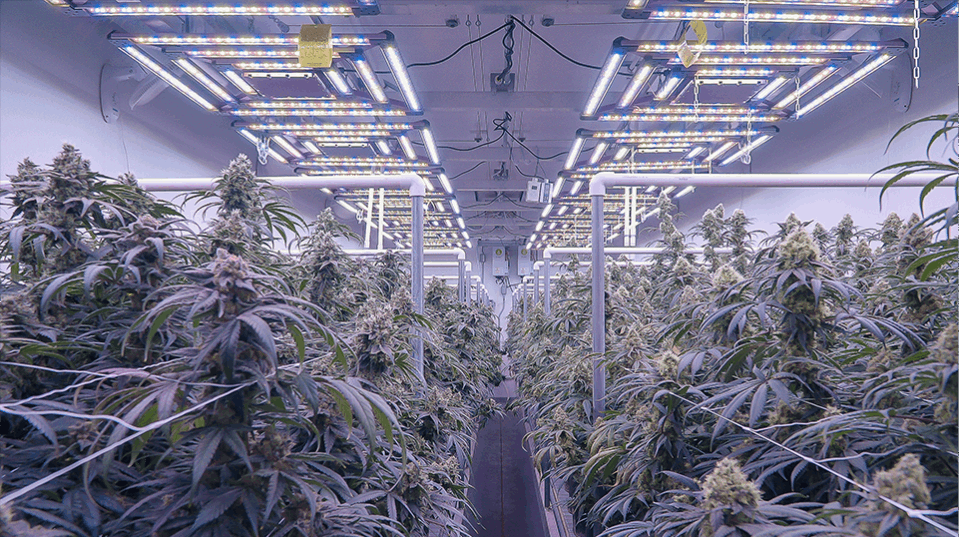

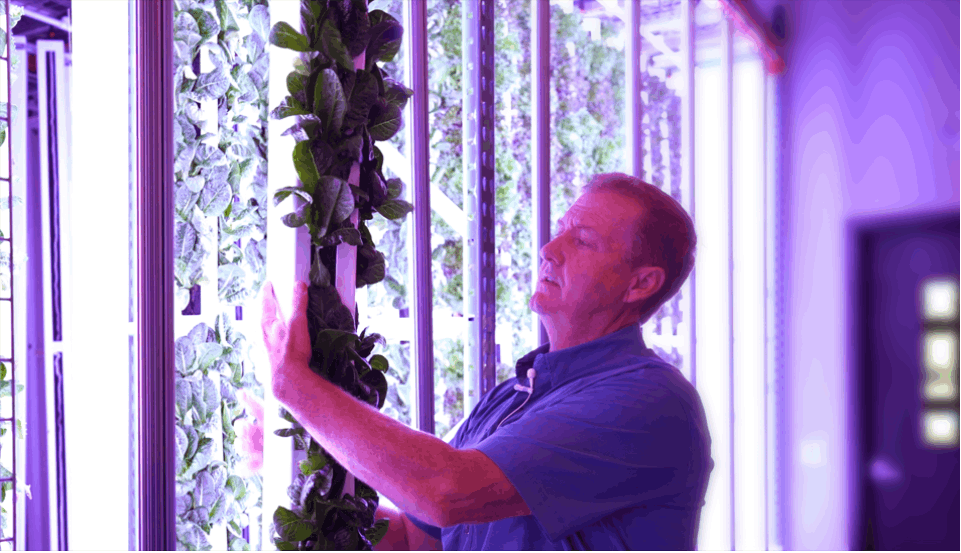
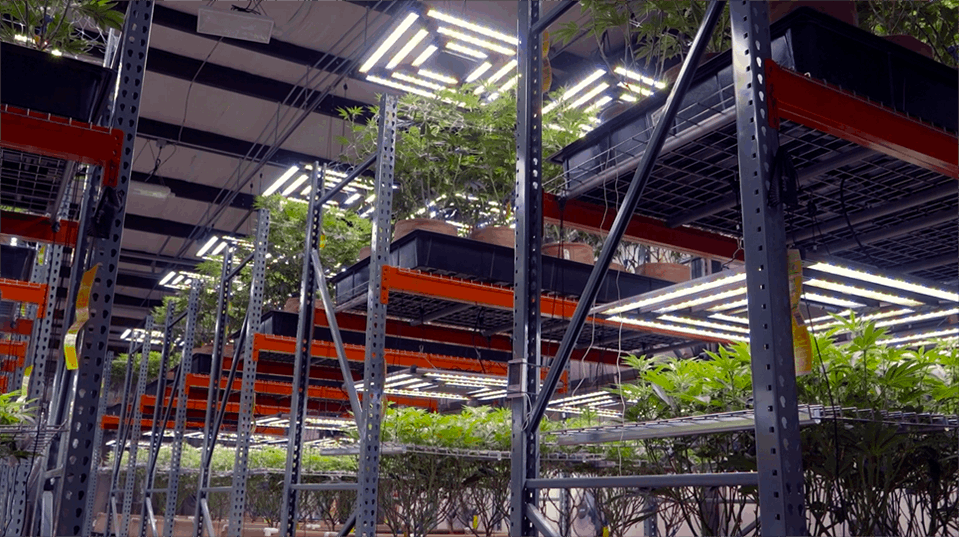
 X² V2
X² V2


